About
I scale engineering organizations and open source ecosystems
Twenty-five years across both. The Linux Foundation, the PyTorch Foundation, Samsung, and now the software platform inside Volvo's cars.
Those two things look unrelated from the outside. In practice they are the same problem approached from opposite ends, and I have spent my career moving between them.
At the Linux Foundation I was VP of AI Strategic Programs, and inside that role I ran two foundations.
As Executive Director of LF AI & Data, I took a foundation with 9 members and 3 projects and grew it into one of the most influential open source AI organizations in the world: membership up eightfold to 77 companies including AWS, Microsoft, IBM, and Nvidia, projects from 3 to 70, and a developer community of more than 100,000 people across 3,000 organizations. I co-created the Model Openness Framework, now an industry standard for AI model transparency, and founded the Generative AI Commons, which brought more than 80 organizations under one neutral governance model for open source generative AI.
As Founding Executive Director of the PyTorch Foundation, I assembled the initial coalition across AMD, AWS, Google, Meta, Microsoft, and Nvidia, doubled the foundation's revenue inside a year, and grew the contributor base by 36% in six months.
Before the Linux Foundation I built Samsung's global open source engineering organization from nothing to more than 100 engineers across three continents. I set open source strategy company-wide, embedded it into product delivery, and led open source technical due diligence for Samsung NEXT, with no line authority over any of the business units I needed to change. I also co-founded the Open Connectivity Foundation and served as its elected Vice President.
Today I lead the Infotainment Engineering organization at Volvo Cars, overseeing the software teams delivering the next-generation Android-based in-vehicle infotainment platform across multiple vehicle programs. That includes the Volvo EX60, the first fully electric Volvo designed, developed, and built in Sweden, with Google Gemini integrated as a core AI capability.
Along the way I have advised HP, Samsung, Huawei, Ericsson, DocuSign, and the World Bank Group, presented on AI regulation to the European and UK Parliaments, and served on technical and academic advisory boards in North America and Europe. I have written or co-written 7 books, 19 e-books, and more than 150 technical reports on open source strategy, AI governance, and license compliance. I hold a Ph.D. with honors in Computer Science from Concordia University.
Dual US and Canadian citizen. I work in English, French, and Arabic, and have built teams across North America, Europe, and Asia.
You cannot govern software well without having shipped it.
And you cannot ship at scale on software you have no standing to influence. Very few people have sat in both seats: the engineering organization that ships the product, and the neutral foundation that governs the software underneath it.
I have spent twenty-five years moving between the two. The view from each one changes how you use the other.
Working with me
How I work
A set of parameters I hold myself to and expect from the people around me. None of them are original. They are the ones I have found actually hold up when a program is late and the pressure is on.
Persuasion outlasts instruction
Most of my career has been spent with no authority over the people whose work had to change. Samsung's business units did not report to me. Neither did AMD, AWS, Google, Meta, Microsoft, or Nvidia. You learn quickly that a policy nobody asked for only survives if the engineers it lands on can see what it buys them.
It takes longer than issuing an instruction. It holds far better afterwards.
The difficult thing, early and in plain language
Bad news late is worth almost nothing. If I think a plan will not work you will hear it while there is still time to do something about it, said to the person who needs to hear it rather than around them. I would rather be the one who was wrong in the room than the one who was right afterwards.
Both, and they pull against each other
Pretending otherwise is how programs get into trouble. My default is to move: decide on the information available, decide in the open, and correct quickly when it turns out to be wrong.
What does not get traded away is the quality of what reaches the customer. In a car, that distinction stops being academic.
I own what my organization ships
Including the parts that go wrong, and the parts I delegated. I do not go looking for somewhere else to put them.
Demoralized teams do not produce good work
So I say out loud, and keep saying, that the problem in front of us can be solved and that the people in the room are the ones who will solve it. Engineers can tell the difference between a leader who believes that and one performing it, which is why it has to be true before you say it.
Career
Where the experience comes from
Head of Infotainment Engineering, Volvo Cars
Leads the software teams delivering the next-generation Android-based in-vehicle infotainment platform across multiple vehicle programs, including the Volvo EX60.
VP of AI Strategic Programs, The Linux Foundation
The corporate role covering the Foundation's AI portfolio, and two foundations run inside it.
Executive Director, LF AI & Data
Grew the foundation from 9 members and 3 projects to 77 members and 70 projects, with a developer community of more than 100,000 across 3,000 organizations. Co-created the Model Openness Framework and founded the Generative AI Commons.
Founding Executive Director, PyTorch Foundation
Assembled the initial coalition across AMD, AWS, Google, Meta, Microsoft, and Nvidia. Doubled revenue inside a year and grew the contributor base by 36% in six months.
Distinguished Engineer and VP of R&D, Samsung
Built the global open source engineering organization from nothing to more than 100 engineers across three continents, set open source strategy company-wide, and led open source technical due diligence for Samsung NEXT. Co-founded the Open Connectivity Foundation and served as its elected Vice President.
Ericsson, Motorola, Palm, Hewlett-Packard
Senior engineering and open source leadership roles across telecommunications, mobile computing, and enterprise systems.
On the road
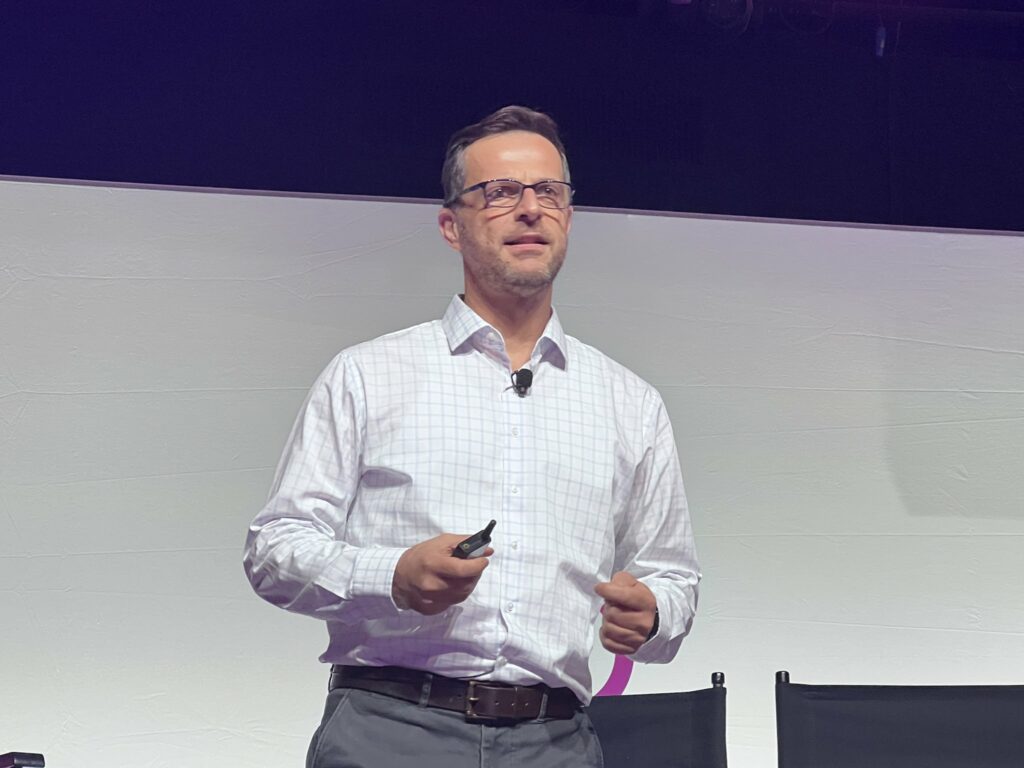
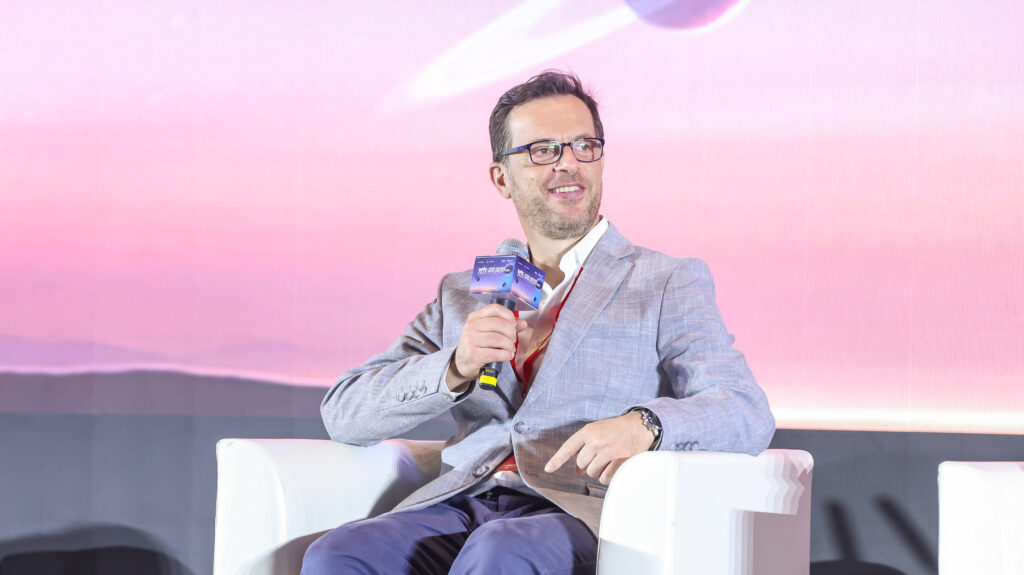
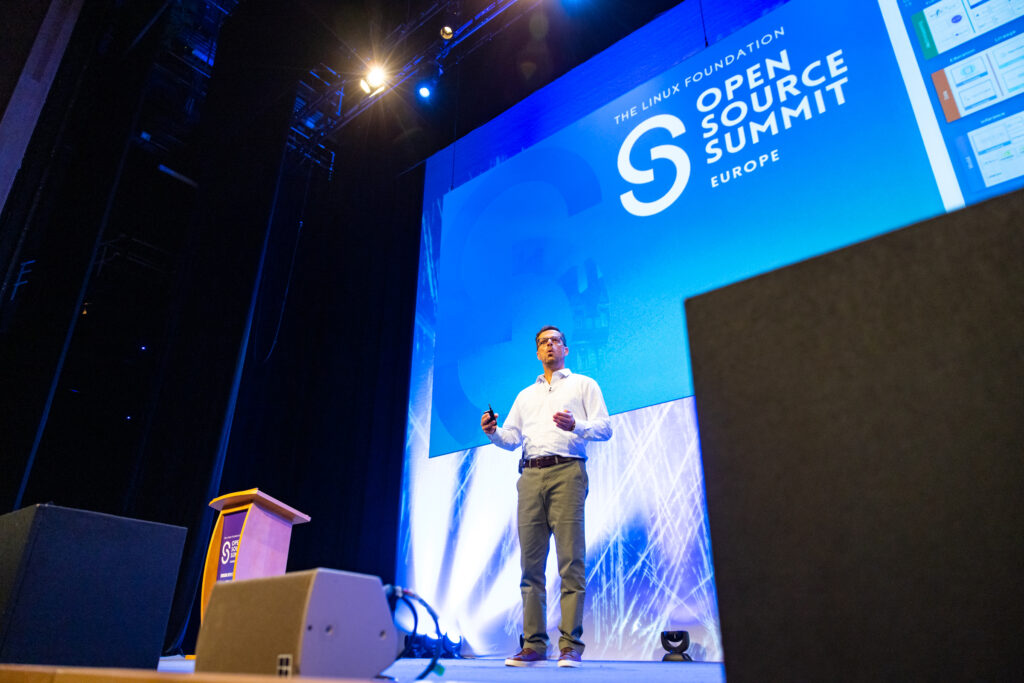
Speaking and community
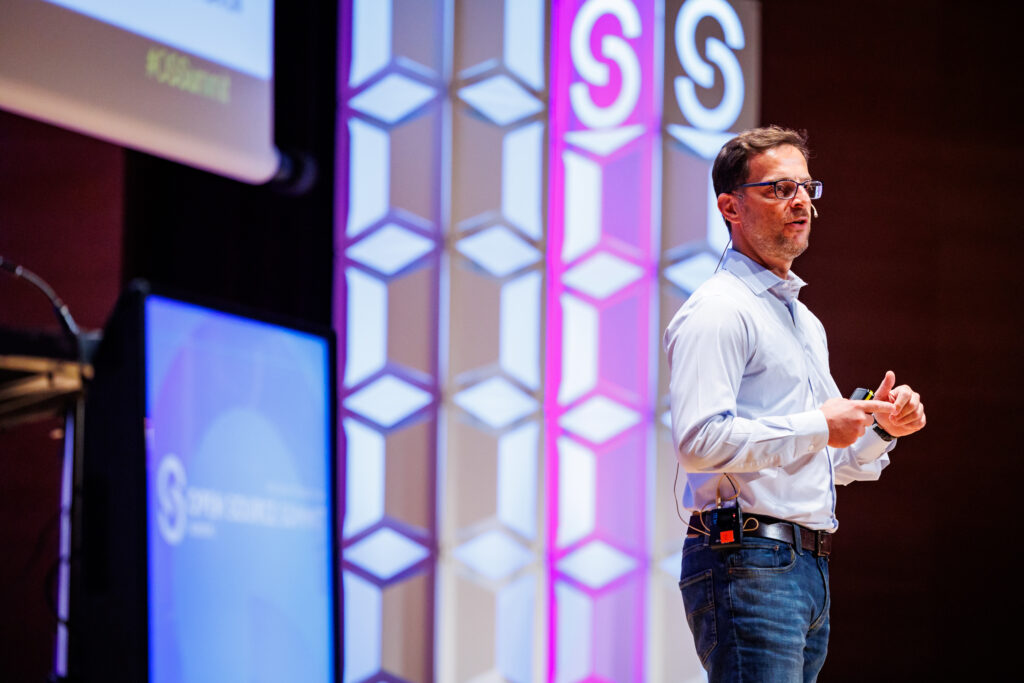
Formal bio
Ibrahim Haddad, Ph.D., is a technology executive who bridges open source ecosystem leadership with enterprise-scale engineering delivery. Across twenty-five years he has built and scaled globally distributed engineering organizations, founded two industry foundations, and advised Fortune 500 companies, technology leaders, foundations, and government bodies on open source strategy, governance, compliance, and AI policy.
As Vice President of AI Strategic Programs at the Linux Foundation, he led the Foundation's AI portfolio and ran two foundations within that role. As Executive Director of LF AI & Data, he grew the foundation from 9 members and 3 projects into one of the world's most influential open source AI organizations, expanding membership eightfold to 77 companies, scaling from 3 to 70 projects, and building a developer community of more than 100,000 across 3,000 organizations. He co-created the Model Openness Framework, an industry standard for AI model transparency, and founded the Generative AI Commons, bringing more than 80 organizations under neutral governance for open source generative AI. As Founding Executive Director of the PyTorch Foundation, he assembled the initial coalition across AMD, AWS, Google, Meta, Microsoft, and Nvidia, doubled revenue inside a year, and grew the contributor base by 36% in six months.
At Samsung, as Distinguished Engineer and VP of R&D, he built the company's global open source engineering organization from nothing to more than 100 engineers across three continents, defined and executed open source strategy company-wide, and led open source technical due diligence for Samsung NEXT. He also co-founded the Open Connectivity Foundation and served as its elected Vice President.
He is a recognized expert in open source license compliance and OSPO development, has advised HP, Samsung, Huawei, Ericsson, DocuSign, and the World Bank Group, and has presented on AI regulation to the European and UK Parliaments. He has served on technical and academic advisory boards across North America and Europe. He is the author or co-author of 7 books, 19 e-books, and more than 150 technical reports, and holds a Ph.D. with honors in Computer Science from Concordia University, where he was awarded the J. W. McConnell Memorial Graduate Fellowship and the Concordia University 25th Anniversary Fellowship.
He is currently Head of Infotainment Engineering at Volvo Cars, leading the software teams delivering the next-generation Android-based in-vehicle infotainment platform. A dual US and Canadian citizen, he works in English, French, and Arabic.
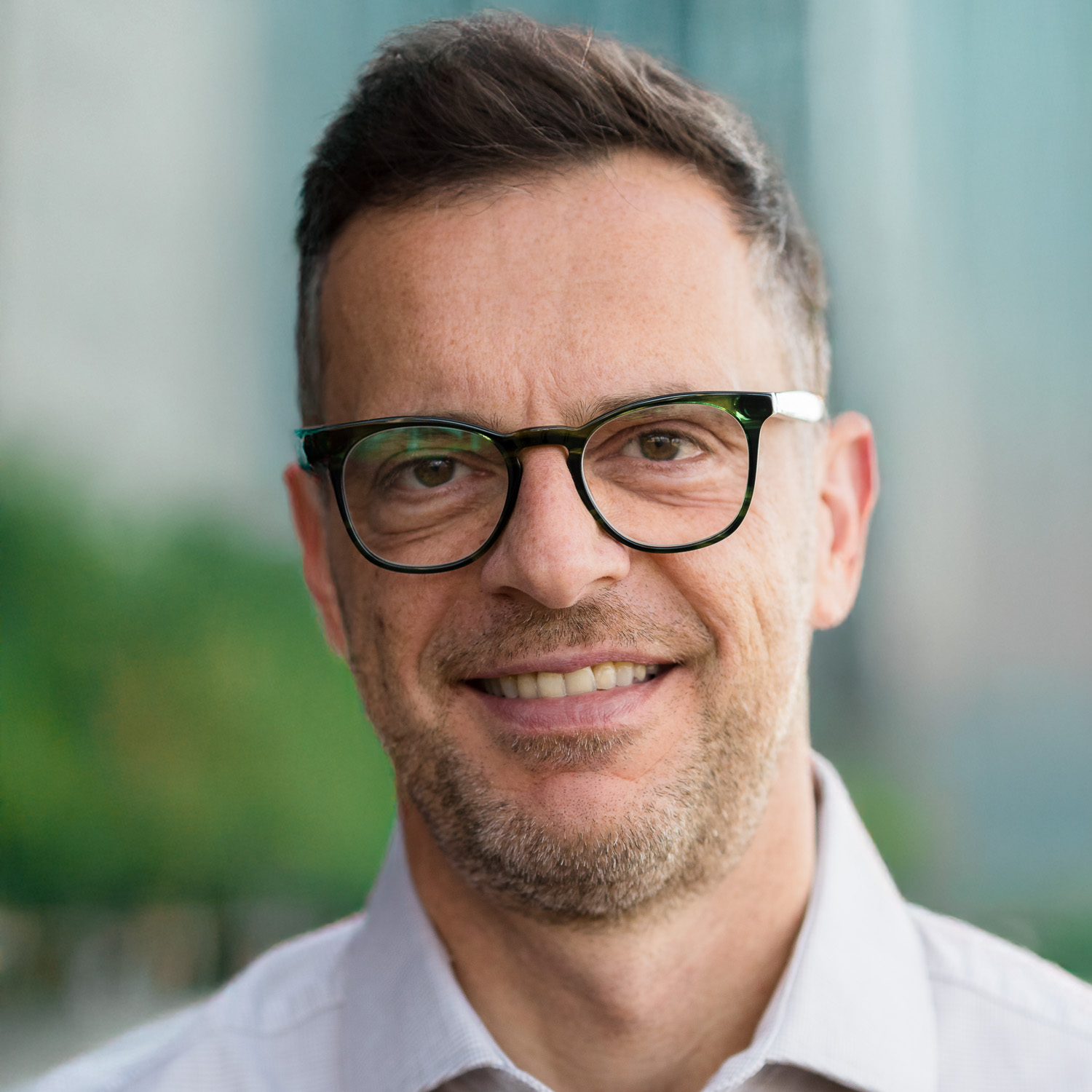
Conference organisers and moderators are welcome to use this text and the portrait above as-is.
Have a challenge worth solving?
I take on a small number of engagements at a time. If you are standing up an OSPO, facing open source risk in a transaction, or working out what model openness means for your business, tell me about it.